

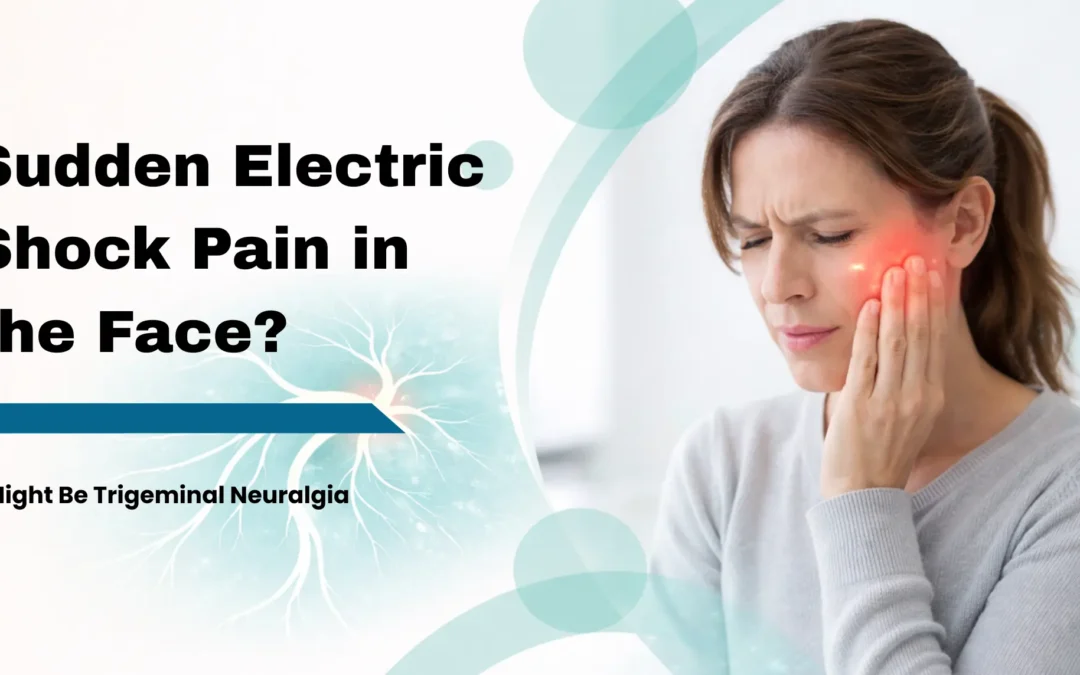
Facial pain while chewing or talking is often mistaken for a dental problem. Many patients undergo dental treatments, including root canal or tooth extraction, but the pain continues.
In such cases, the cause may not be related to the teeth. It could be trigeminal neuralgia, a nerve condition that leads to sudden, severe pain in the face.
This type of pain is usually sharp, brief, and intense. Patients often describe it as an electric shock pain in the face. Though the condition is not very common, it can affect everyday activities if not identified early.
What is Trigeminal Neuralgia?
Trigeminal neuralgia is a chronic nerve condition that causes sudden, severe electric shock-like pain in the face due to irritation or compression of the trigeminal nerve. This nerve carries sensation from the face to the brain and has three main branches that supply the forehead, cheek, and jaw. When affected, it can lead to sharp, stabbing pain in the face, often on one side. Many patients experience facial pain while chewing, talking, or brushing teeth, which can be mistaken for a dental problem. However, this condition is a form of nerve pain in the face and requires accurate diagnosis. If you are experiencing repeated facial pain, early consultation for trigeminal neuralgia treatment in Chennai can help identify the cause and manage symptoms effectively with the right care.
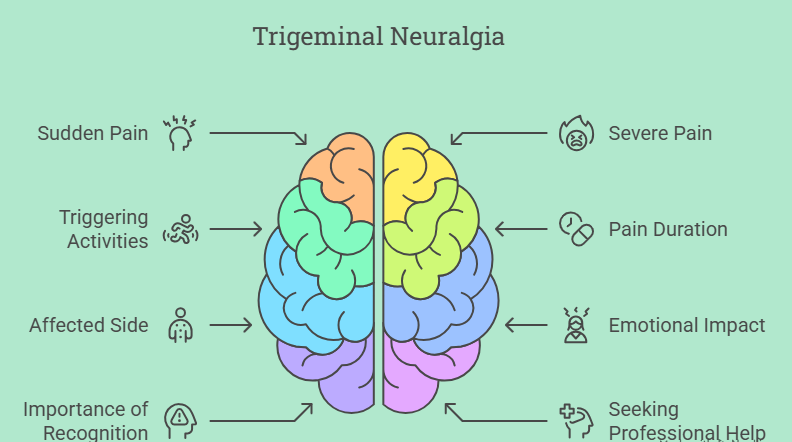
Common Symptoms of Trigeminal Neuralgia — Know the Signs
The symptoms can be tricky. They might start as mild “twitches” but can become more frequent over time. Look out for these signs:
- Sudden Electric Shocks: Sharp, stabbing pain on one side of the face.
- Trigger Points: Pain starting when you brush your teeth, wash your face, or even when a cool breeze hits your cheek.
- Pain While Chewing: Intense facial pain specifically when you move your jaw to eat or talk.
- Short Bursts: The pain usually hits quickly and disappears within seconds or a couple of minutes.
- One-Sided Pain: It rarely affects both sides of the face at the same time.
If you are experiencing these symptoms, explore advanced trigeminal neuralgia treatment options.
Important Note:
Treatment varies depending on the individual condition. Always consult a qualified specialist for an accurate diagnosis and appropriate care
Why Does It Hurt More When You Chew Or Talk?
This is a frequent inquiry at our clinic. When you are talking, you are moving your jaw, you are moving the tissues around the trigeminal nerve. If the trigeminal nerve is compressed, or if the nerve is already sensitive, moving the jaw at that time can send a large pain signal to the brain.
This condition can be extremely troublesome in India due to our crunchy and chewy structured diet.
Trigeminal Neuralgia vs. Normal Toothache
How do you tell the difference?
| Feature | Toothache | Trigeminal Neuralgia |
|---|---|---|
| Type of Pain | Continuous dull ache or throbbing | Sudden, sharp electric shock |
| Trigger | Hot/Cold food or sweets | Light touch, talking, or breeze |
| Duration | Lasts for hours | Seconds to minutes |
| Dental Work | Relieved by dental treatment | Pain continues even after dental work |
Non-Surgical Treatment Options in Chennai
Many patients worry that “nerve pain” means they need high-risk surgery. However, modern medical science offers several non-surgical ways to manage this:
Here are the main treatment options:
1.Medications for Nerve Pain
Doctors may start with anticonvulsant medications that calm down overactive nerve signals. These work well for many patients, especially in the early stages.
2.Image-Guided Nerve Block Injections
A nerve block is a targeted injection that numbs the trigeminal nerve and stops the pain signals. Using image guidance, the doctor can deliver the injection precisely to the right spot.
3.Radiofrequency Ablation (RFA) — Advanced Non-Surgical Relief
This is one of the most effective treatments for trigeminal neuralgia. In this procedure, heat energy is used to reduce the activity of the nerve causing the pain. It is done under image guidance, which means the doctor can target the exact nerve with high accuracy.
Why many patients prefer RFA:
- No major surgery needed
- Minimally invasive — only a small needle is used
- Most patients go home the same day
- Quick relief compared to long-term medication use
- Faster recovery and return to normal activities
4.PRP Therapy (Selected Cases)
In some cases, Platelet-Rich Plasma therapy may be used to support nerve healing. Your doctor will evaluate whether this option is right for you.
Trigeminal Neuralgia Treatment in Chennai — Epione Pain Management Center
The Epione Pain Management Center in Egmore, Chennai, focuses on helping people with chronic nerve pain get real, long-lasting relief without having to have major surgery.
The team of experienced pain specialists uses advanced, image-guided procedures to find and treat trigeminal neuralgia. The right treatment plan can make a big difference, no matter how long you’ve been dealing with facial pain.
What makes Epione different:
- Specialized pain management care — not just general treatment
- Advanced image-guided nerve procedures for precise results
- Non-surgical approach as the first priority
- Personalized treatment plan for every patient
- Conveniently located in Egmore, Chennai — accessible for patients across Tamil Nadu
Frequently Asked Questions (FAQs)
1. What is trigeminal neuralgia and why does it cause severe facial pain?
Trigeminal neuralgia is a nerve-related condition where the trigeminal nerve becomes irritated or compressed. This leads to sudden, sharp, electric shock-like pain in the face, often triggered by simple activities like talking or chewing.
2. How can I tell if my pain is trigeminal neuralgia or a dental problem?
If the pain is sudden, short-lasting, and triggered by touch, chewing, or even a breeze, it is more likely trigeminal neuralgia. Dental pain is usually continuous and related to tooth issues like decay or infection.
3. Why does trigeminal neuralgia pain increase while chewing or talking?
Chewing and talking involve jaw movement, which can stimulate the trigeminal nerve. If the nerve is sensitive or compressed, even small movements can trigger intense pain.
4. What are the best non-surgical treatments for trigeminal neuralgia?
Most patients can be treated without surgery. Options include nerve pain medications, image-guided nerve block injections, and advanced procedures like Radiofrequency Ablation (RFA), which provides longer-lasting relief.
5. Is trigeminal neuralgia curable or permanent?
Trigeminal neuralgia is a long-term condition, but it is treatable. With the right medical care, many patients experience significant pain relief and can return to normal daily life.
Conclusion
Facial pain, especially facial pain while chewing or talking, should not be ignored. If the pain is sudden, sharp, and recurring, it may be due to trigeminal neuralgia rather than a dental issue.
With the right diagnosis and modern nerve pain in face treatment options, many patients can manage their symptoms effectively and return to normal daily activities.
