

Chronic Knee Pain is a common condition that has different root causes, impacting the quality of life and daily activities of patients.
It hinders movement, affects sleep, and significantly reduces the quality of life. Even the simplest activities like climbing stairs, walking, or getting out of bed feel like a challenge.
While surgery is an option in severe cases, most patients can find lasting relief through non-surgical treatments for knee pain.
At Epione, Pain Management Centre in Chennai, we focus on providing a personalised and non-surgical approach designed to reduce pain, restore mobility, and improve quality of life without the risks or downtime of surgery.
Non-Surgical Treatments for Chronic Knee Pain
The non-surgical treatments for knee arthritis are as follows:
1. Knee Injections
Knee Injections are a medical procedure where substances are injected directly into the knee joint to treat pain and stiffness from conditions like arthritis and injuries.
Here are different types of knee injections –
- Corticosteroid Injections: These anti-inflammatory medications effectively alleviate joint pain by rapidly reducing severe inflammation, providing quick but often temporary relief lasting from weeks to months.
- Hyaluronic Acid Injections: A healthy knee has synovial fluid with hyaluronic acid that cushions and lubricates. Ageing causes breakdown, thinning the fluid and reducing its effectiveness. These injections are designed to make the fluid more substantial and to improve the joint’s gliding motion, providing pain relief.
- Stem Cell Injections: Stem cells can become any cell type, such as those that repair tissue. When injected into an arthritic knee, they may promote cartilage regrowth, healing, and inflammation reduction.
2. Platelet-Rich Plasma (PRP) Therapy
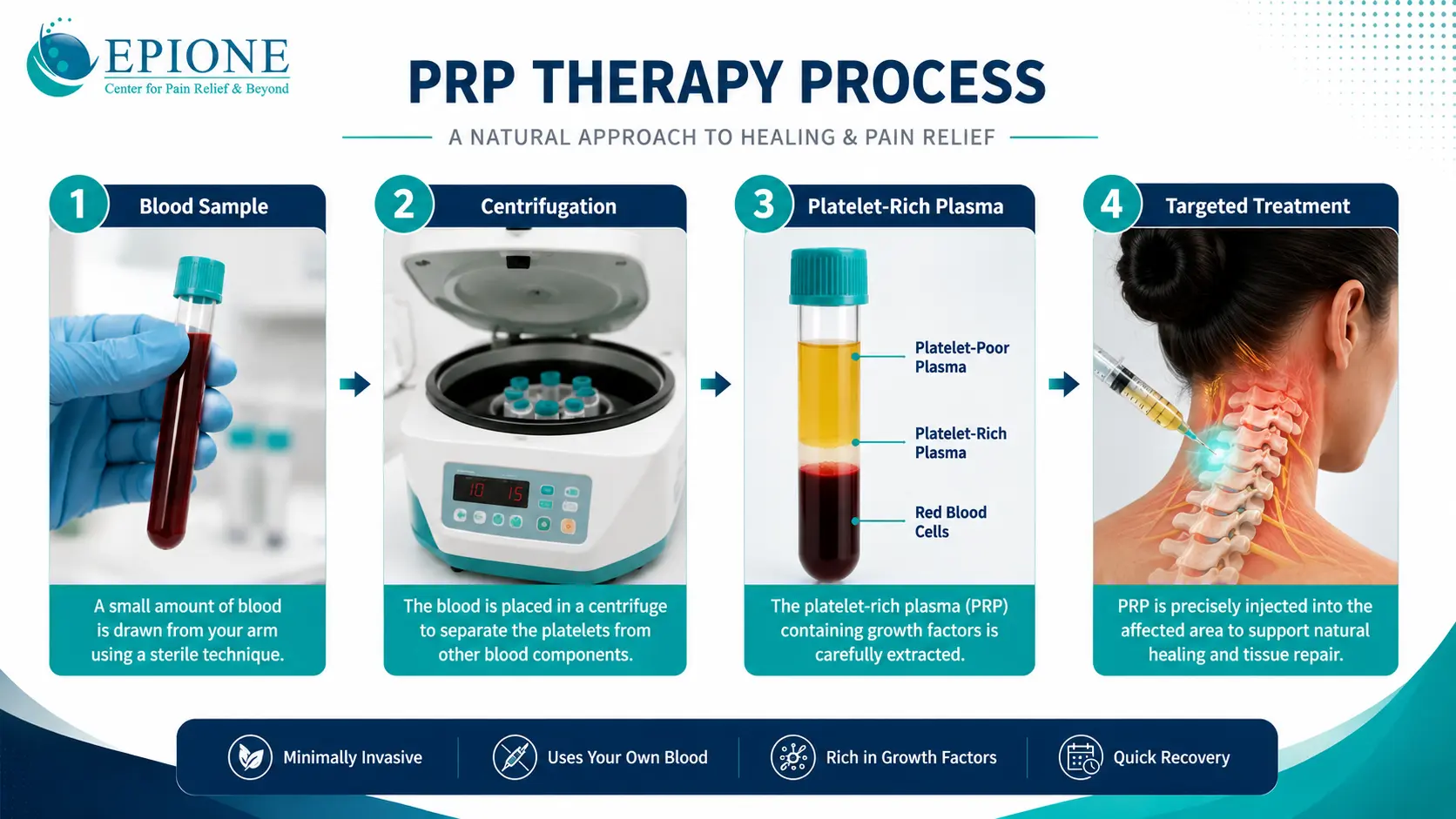
Platelet-rich plasma (PRP) therapy involves injecting a concentrated form of your own blood platelets into the affected knee to stimulate tissue repair and reduce pain.
It includes a three-step process:
- The doctor draws a small amount of blood from the patient’s body.
- The blood sample is placed into a centrifuge, gently spinning to separate its parts and create a rich, concentrated suspension of platelets in plasma. This process helps us better understand and utilise the vital components of blood.
- A doctor will carefully numb your knee and gently inject the PRP into the knee joint, damaged tendon, or ligament, helping you move forward with relief and confidence.
The growth factors stimulate tissue repair, reduce pain, and initiate the body’s natural healing response, making it a compelling option for conditions like chronic tendonitis, ligament sprains, and mild to moderate osteoarthritis.
3. Knee Orthotics and Braces
These are the medical device that stabilizes your knee joint and holds it in place. They support and protect the knee joint, and can be worn after a knee injection to provide stability and aid in the healing process.
There are different types of braces, like hinged braces, compression braces, patellar stabilizing braces, and wraparound braces.
These braces help to alleviate pain by providing compression and support, improve stability, limit excessive movement to reduce the risk of re-injury, and provide a supportive structure for the knee while it heals.
4. Radiofrequency Ablation of the Genicular Nerve
Radiofrequency ablation of the genicular nerve is a minimally invasive procedure to treat chronic knee pain by using heat to block pain signals from the nerves around the knee.
The procedure uses RF energy to create lesions on the genicular nerves, providing pain relief that can last from several months to over a year.
5. Knee therapists & customised exercises
Physical therapy plays a pivotal role in providing relief from chronic knee pain. A knee therapist can provide a customised exercise plan by focusing on strengthening and stretching exercises to improve function.
A tailored physiotherapy plan helps strengthen the muscles around the knee, improving support and reducing strain. At Epione, our knee pain specialists in Chennai mainly focus on posture, balance, flexibility and mobility to encourage long-term recovery.
Conclusion
Chronic knee pain doesn’t mean surgery is inevitable. With advancements in non-surgical pain management, you can regain mobility, reduce discomfort, and continue your daily activities confidently.
At Epione Pain Management Clinic in Chennai, our team of experts provides personalised and effective care tailored to your condition.
Book an appointment with Epione Chennai to seek expert care that focuses on healing.
Frequently Asked Questions
1. Can chronic knee pain be treated without surgery?
Yes, many cases of chronic knee pain can be managed with non-surgical treatment options, depending on the underlying cause and severity. Treatment may include knee injections, PRP therapy, physical therapy, customised exercises, knee braces, and interventional pain management procedures such as radiofrequency ablation.
2. What is the best non-surgical treatment for chronic knee pain?
There is no single best treatment for chronic knee pain because the appropriate treatment depends on the cause of pain, severity, joint condition, and individual health factors. A pain management specialist can evaluate the condition and recommend a personalised treatment plan, which may include injections, PRP therapy, physiotherapy, or nerve-based procedures.
3. Can knee arthritis be treated without surgery?
Yes, knee arthritis can often be managed with non-surgical treatments, particularly in mild to moderate cases. Depending on the condition, treatment options may include knee injections, PRP therapy, physiotherapy, exercise therapy, braces, and radiofrequency ablation for suitable patients.
4. Is PRP therapy effective for knee pain?
PRP therapy may help reduce pain and improve function in some patients with knee pain, including certain cases of knee osteoarthritis and tendon or ligament-related injuries. PRP uses concentrated platelets from the patient’s own blood and is considered as one of several non-surgical treatment options. Suitability depends on the individual’s condition and clinical assessment.
5. How long does knee injection treatment provide pain relief?
The duration of pain relief after a knee injection varies depending on the type of injection, underlying condition, and individual response to treatment. Some injections may provide short-term relief, while other treatment approaches may provide longer-lasting symptom improvement. A pain specialist can recommend the appropriate option based on the patient’s condition.
6. When should I see a knee pain specialist for chronic knee pain?
You should consider consulting a knee pain specialist if your knee pain persists, affects walking or climbing stairs, interferes with sleep or daily activities, or continues despite rest and basic treatment. Early assessment can help identify the underlying cause and determine whether non-surgical knee pain treatment may be appropriate.
This article is for general informational purposes and isn’t a substitute for professional medical advice. If you’re experiencing persistent or severe neck pain, please consult a qualified pain management specialist for proper diagnosis and treatment.