

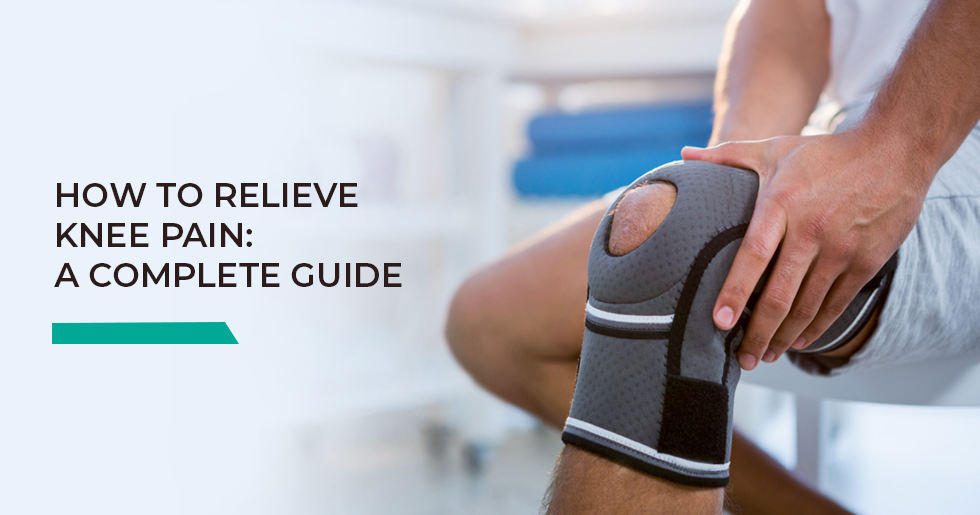
Knee Pain is a common complaint that affects people of all ages. Whether it is dull pain or sharp, the condition can significantly impact mobility and reduce quality of life.
Whether stemming from a sports injury, overuse, or age-related conditions like osteoarthritis, finding effective strategies on how to relieve knee pain is essential for maintaining a high quality of life.
At Epione, one of the leading pain management clinics in Chennai, our specialists focus on providing personalised, non-surgical solutions for knee pain.
Here are ten effective ways to relieve knee pain and support your joints.
10 ways to Relieve Knee Pain
1. Get Moving
Regular, gentle movement helps relieve pain and stiffness, strengthens the muscles that support the knees and improves balance.
Gentle movements enhance circulation, lessen stiffness, and build the muscles supporting the knee joint. Additionally, exercises such as walking on flat surfaces, swimming, and cycling offer effective workouts without putting excessive strain on the joints.
2. Maintain a Healthy Weight
Excess body weight puts significant extra stress on your knees. Maintaining a healthy weight is a crucial factor in relieving knee pain, particularly for people with arthritis or chronic joint issues.
Losing even a small amount of weight can substantially reduce pressure on the joint, decrease pain, and lower the risk of developing osteoarthritis.
3. Stretching and Flexibility Exercises
Adding stretching and flexibility exercises to the daily activities is another effective way to relieve knee pain. Stretch exercises, such as gentle hamstring, calf, and quadriceps stretches, improve the range of motion and reduce muscle stiffness.
Further, flexibility also helps stabilise the joint, reducing the risk of sudden twisting injuries.
4. Protect Knees from Injury
Avoid activities that involve repetitive pounding, pivoting, or contact to prevent injuries. To protect your knees, warm up beforehand, use correct lifting techniques, and avoid sudden twists or overextension.
Also, pay attention to your body’s signals and avoid activities that cause sharp pain, as these are important protective measures.
5. Knee Braces and Supports
Knee braces and supports are very effective in stabilising the knee joints and alleviating pain. They are particularly helpful if you have ligament weakness or persistent knee instability.
Moreover, compression reduces swelling and inflammation, making you feel better. Choosing the right knee brace helps keep your knee more stable and prevents it from twisting or stretching too much, reducing the risk of further injury.
6. Treat Injuries Promptly
Ignoring minor injuries can lead to long-term damage. Immediate and proper care reduces inflammation, alleviates discomfort, and supports a faster recovery process.
One of the simplest and effective ways to relieve knee pain is through the RICE method. Rest the joint, apply Ice to reduce swelling and pain, use Compression with an elastic bandage, and elevate the leg above the heart level.
7. Stand Up Straight to Feel Better
Standing up straight can help with knee pain by improving body alignment and reducing strain on the joints.
Moreover, maintaining proper posture while standing, sitting, and walking helps distribute body weight evenly and prevents abnormal stress on your joints.
8. Eat a Healthy Diet
A balanced diet rich in fatty fish, leafy greens, berries, nuts, whole grains, and lean proteins contains anti-inflammatory compounds that reduce inflammation and support joint health.
Minimising processed foods and refined sugars also helps control systemic inflammation.
9. Injections for Knee Pain Relief
For chronic or severe pain, a doctor might recommend injections directly into the joint. Options may include Platelet-Rich Plasma (PRP) Therapy, which uses the body’s natural growth factors to promote healing and reduce joint inflammation.
Consulting a knee specialist is often the first step in determining the best options for effective relief from knee pain.
10. Take Care in Selecting Footwear
When selecting footwear for knee pain, prioritise shoes with good arch support, cushioning, and a firm heel counter to maintain proper alignment and absorb shock.
Wearing flat, unsupportive, or excessively high-heeled shoes can disrupt this alignment. Opting for footwear that provides sufficient cushioning and support, or employing custom orthotics, can help stabilise the leg and lessen the impact forces transmitted to the knees.
Conclusion
Knee pain is so common that almost everyone has felt it. With consistent care through movement, healthy habits, and modern non-surgical treatments, you can regain comfort, flexibility, and confidence.
At Epione, one of the best pain management clinics in Chennai, we provide comprehensive, evidence-based care for joint and musculoskeletal pain. Our specialist doctors provide personalised and non-surgical solutions for pain relief.
Connect with us today!