


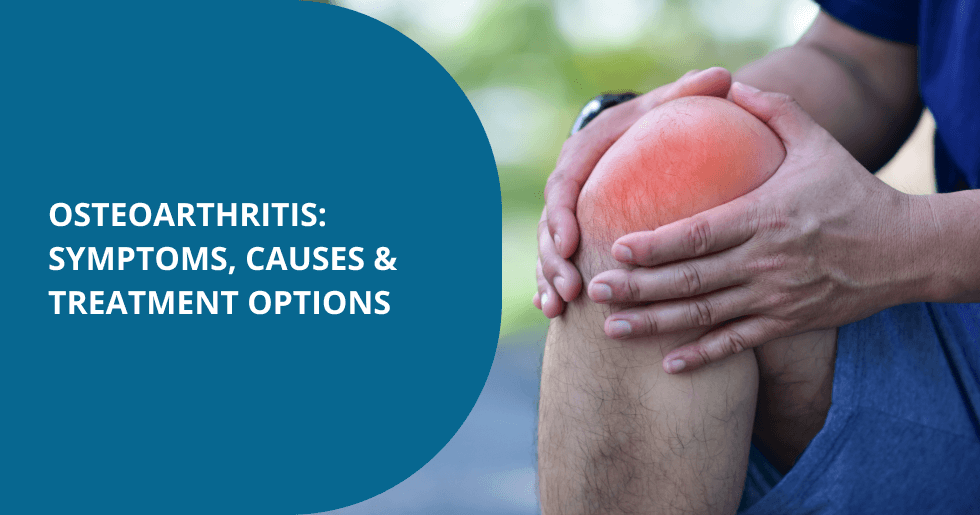
Do you struggle with morning stiffness or joint pain, or a pain that worsens throughout the day, and you cannot perform daily activities?
If so, that might be a symptom linked to osteoarthritis, a progressive joint condition often described as a degenerative osteoarthritis disease.
Osteoarthritis is the most common type of arthritis, and osteoarthritis affects millions of people around the world. It’s a progressive condition that causes pain, stiffness, and decreased mobility, mainly impacting the hands, knees, hips, spine, and feet.
At Epione, Bangalore, we help with the non-surgical treatments for osteoarthritis, such as PRP therapy and improve the quality of life.
In this blog, we’ll explore osteoarthritis symptoms, causes, and treatment strategies, including when surgery may be necessary and non-surgical options, that help you regain mobility.
What is Osteoarthritis?
Osteoarthritis (OA) is a chronic joint condition where the cartilage that cushions the ends of bones wears away. That leads to the bones rubbing directly against each other, causing pain, inflammation, and reduced mobility.
It can affect any of your joints, but commonly develops in your hands, knees, hips, neck, and lower back.

Common Symptoms of Osteoarthritis
Osteoarthritis symptoms gradually emerge and tend to intensify over time. Here are some of the most common signs
- Pain: Affected joints may hurt during or after movement and can feel worse by the end of the day.
- Stiffness: The joints might feel stiff, especially after waking up or after sitting for a long time.
- Tenderness: The joint may feel tender when you apply pressure to it.
- Loss of Flexibility: The inability to move the joint through its full range of motion.
- Bone Spurs: The extra bits of bone can form around the joint, appearing as hard lumps.
- Grating Sensation: You might feel a grating sensation or hear bone rubbing against bone when you use the joint.
Causes and Risk Factors
Osteoarthritis happens when the cartilage protecting the ends of bones in the joints gradually deteriorates.
Here are some of the common causes and risk factors –
- Obesity: Excess body weight adds stress to joints that bear weight, such as the knees, hips, and spine.
- Joint Injury: Previous injuries, such as a ligament tear or fracture, can accelerate cartilage breakdown.
- Repetitive Stress: Jobs or sports that involve frequent or repetitive movements or significant joint strain can contribute to the development of OA.
- Genetics: Some individuals inherit a tendency to develop osteoarthritis.
- Bone Deformities: Some might be born with improperly formed joints or defective cartilage.
- Older Age: The risk of OA rises with age.
How is Osteoarthritis Diagnosed?
Osteoarthritis disease is a progressive, degenerative condition that typically develops slowly over time. At Epione, our specialists assess the symptoms, such as pain with activity and other tests to confirm the diagnosis.
- Physical Tests – The Doctor asks about your symptoms, including pain location and type, tenderness, stiffness, and mobility.
- Imaging Tests – To get a clearer picture of what is happening inside the joints, doctors might prescribe some imaging tests to make a conclusive diagnosis. These tests include X-rays, MRI (Magnetic Resonance Imaging), and ultrasound to get a better look at your joints.
- Laboratory Tests – No single blood test can diagnose osteoarthritis; instead, blood tests are utilised to exclude other conditions that may cause similar joint symptoms.

Non-Surgical Treatment Strategies
To manage osteoarthritis without surgery, a doctor will recommend a multi-faceted treatment plan that includes lifestyle adjustments, medication, physical therapies, and injections.
Here are some of the Non-surgical treatments for Osteoarthritis –
- Physical Therapy: It helps to strengthen the muscles around the affected joints to improve stability and function.
- Weight Management: Losing excess weight significantly reduces the load on weight-bearing joints like the hips and knees, which can relieve pain.
- Medications: Some over-the-counter medications can help manage pain and reduce inflammation.
PRP Therapy for Osteoarthritis
Platelet Rich Plasma (PRP) therapy has shown promising results, offering potential benefits like pain relief, improved function, and reduced inflammation.
Non-surgical treatment includes injecting the patient’s own concentrated blood platelets into the affected joint. These platelets release growth factors that encourage tissue repair and activate cartilage-producing cells, helping to reduce pain and stiffness while improving joint function.
Benefits:
- Reduce joint inflammation and pain.
- Promote the healing and regeneration of injured tissue.
- Slow the further breakdown of cartilage.
PRP therapy is relatively safe and has almost no possibility of an allergic reaction. It provides a natural and effective solution for those grappling with joint-related issues.
When Surgery Becomes Necessary
If non-surgical treatment does not relieve pain or improve the patient’s range of motion, surgery might be the best choice. For those with advanced joint deterioration and limited function that greatly affects their quality of life, surgery may become necessary. At Epione Bangalore, specialists provide accurate assessment and recommend the most effective treatment plan for lasting relief and improved mobility.
Common surgery options include joint replacement, osteotomy, joint fusion, and arthroscopic surgery.

FAQs
-
Is osteoarthritis hereditary?
Yes, osteoarthritis has a hereditary component that increases the risk of developing osteoarthritis.
-
What is the role of PRP in treating OA?
PRP treatment for osteoarthritis (OA) can help to reduce inflammation, promote natural healing of damaged joint tissues, and offer pain relief.
-
Can OA be reversed without surgery?
While cartilage lost due to degenerative osteoarthritis cannot be fully restored to its original state, symptoms can be managed effectively through non-surgical treatments.
-
Which joints respond best to PRP therapy?
PRP therapy is most effective for mild to moderate conditions, particularly in the knee, hip, and shoulder.
-
Does exercise worsen osteoarthritis?
No, moderate exercise does not worsen osteoarthritis. The low-impact exercise actually helps strengthen muscles, support joints, and reduce pain.
